

 Facebook
 X
X
 Pinterest
 Copy Link
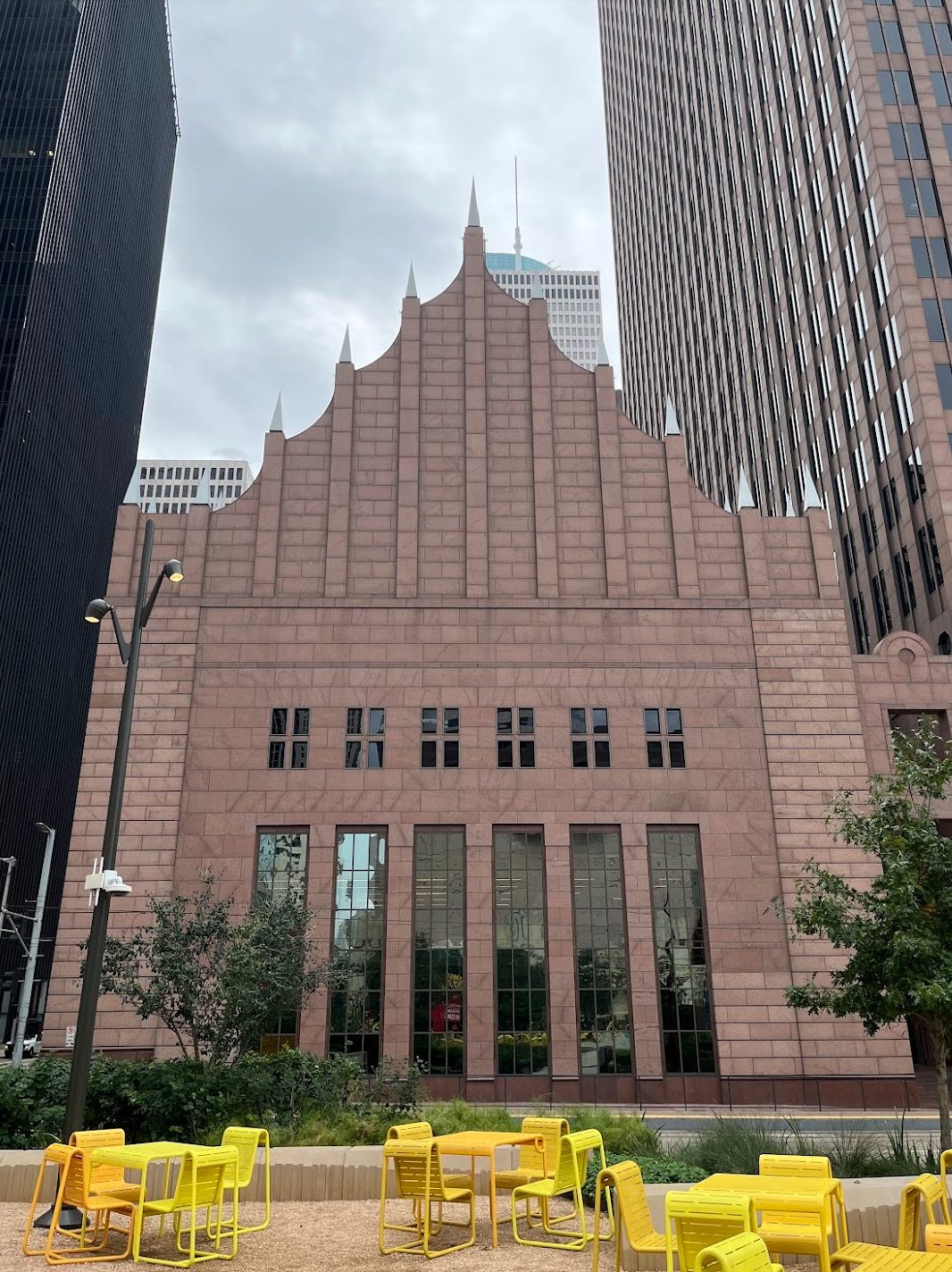 When you think of Houston’s downtown skyline, one building stands out for its striking design and enduring presence—the TC Energy Center. Located at 700 Louisiana Street, this 56-story skyscraper is more than just an office tower; it’s a landmark that reflects the evolution of architecture and corporate identity in the city.
Origins and Construction
The story begins in the late 1970s when developer Gerald D. Hines commissioned the renowned architectural firm Johnson/Burgee Architects, led by Philip Johnson, to design a new headquarters for RepublicBank. Johnson, a Pritzker Prize-winning architect, was a pioneer of Postmodernism; a style that embraced historical references and ornamentation, breaking away from the stark minimalism of the International Style.
Construction started in 1981, and by October 1983, the building was complete. At 780 feet (238 meters) tall, the TC Energy Center became one of the first major examples of postmodern architecture in Houston. Its design draws inspiration from Dutch Gothic architecture, featuring three segmented tower setbacks, steeply pitched gabled rooflines, and spires that give it a cathedral-like silhouette. The exterior is clad in red Swedish granite, lending the building its distinctive “dark pink” hue.
Architectural Significance
The TC Energy Center was a bold statement in the early 1980s, a time when corporate skyscrapers were shifting from purely functional designs to more expressive forms. Johnson’s vision combined historical motifs with modern materials like steel and glass, creating a structure that was both timeless and forward-thinking. Inside, the building boasts luxurious finishes, including wood-paneled elevators with exotic veneers such as Birdseye Maple and Macassar Ebony.
Name Changes and Corporate Legacy
Over the decades, the building has worn many names, reflecting the changing tides of the banking and energy industries:
- RepublicBank Center (1983–1988)
- NCNB Center (1988–1991)
- NationsBank Center (1991–1998)
- Bank of America Center (1998–2019)
- TC Energy Center (2019–present)
The latest renaming came in October 2019, when TC Energy Corporation (formerly TransCanada) made the tower its U.S. headquarters. Today, TC Energy occupies over 300,000 square feet, making it the largest tenant in the building.
Renovations and Modernization
While the building remains a classic example of postmodern design, it has evolved to meet modern standards. In 2021, a major renovation introduced a refreshed lobby, a tenant lounge, a conference center, and collaborative workspaces. Sustainability upgrades have earned the building LEED Gold certification and ENERGY STAR recognition, underscoring its commitment to environmental efficiency.
A Cultural and Architectural Icon
Beyond its role as an office tower, the TC Energy Center is a cultural landmark. Its lobby hosts rotating art exhibitions, and its presence in Houston’s Theater District makes it a focal point for both business and the arts. Four decades after its completion, the building continues to symbolize Houston’s growth, resilience, and architectural ambition.
Why It Matters
The TC Energy Center is more than steel and granite; it’s a story of innovation, adaptation, and identity. From its Gothic-inspired spires to its modern amenities, the building reflects Houston’s dynamic spirit and its place in the global energy economy.
